
- 0
- 741 words
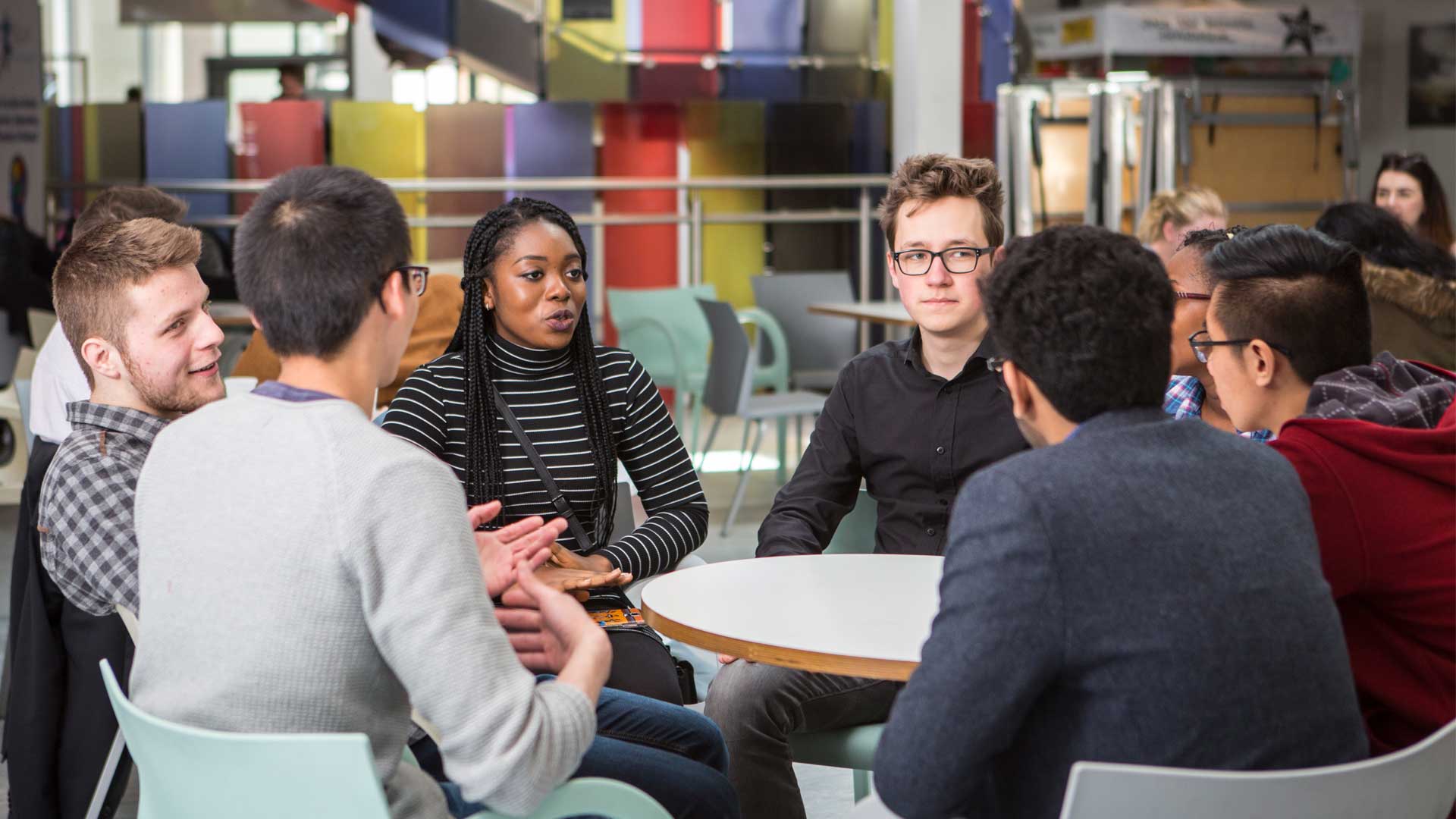
Moving from education into the professional world is an important stage in anyone’s career. For graduates who enjoy academic environments but do not necessarily want to become professors or researchers, becoming a university staff member can offer a rewarding career path. Universities depend on skilled employees to manage administration, student services, admissions, finance, technology, libraries, communications, and many other essential functions. Understanding how to move from education to employment can help aspiring professionals prepare for these opportunities.
Understanding University Staff Careers
University staff members support the daily operations of higher education institutions. Unlike teaching faculty, staff generally focus on administrative, operational, technical, or student-support responsibilities. Their work helps universities provide effective services to students, faculty, researchers, and visitors.
Common university staff positions include admissions officers, academic advisors, student support coordinators, administrative assistants, finance officers, human resources professionals, IT specialists, library staff, communications officers, and department coordinators. Each role has different requirements, so identifying an area of interest is an important first step.
Build a Relevant Educational Foundation
Education can play an important role in preparing for university employment. Many entry-level administrative positions require a bachelor's degree, while specialized roles may require qualifications in areas such as information technology, accounting, communications, human resources, or education.
Students can also develop useful skills alongside their formal education. Written communication, organization, research, teamwork, problem-solving, and computer literacy are valuable across many university departments. Choosing coursework, projects, or extracurricular activities that strengthen these abilities can make graduates better prepared for employment.
Gain Practical Experience
Academic qualifications are useful, but practical experience can help candidates demonstrate that they understand professional responsibilities. Internships, part-time jobs, volunteer positions, campus organizations, and work-study opportunities can provide valuable experience.
For example, someone interested in student services might volunteer with a student organization and gain experience coordinating events or helping students. A graduate interested in university administration could seek an internship involving scheduling, record management, communications, or office support.
These experiences can also help candidates discover which type of university work best matches their interests and abilities.
Develop Transferable Skills
University staff members often manage multiple responsibilities, communicate with different groups, and work with deadlines. Developing transferable skills can therefore improve employment prospects.
Important skills include:
- Professional communication
- Time management
- Organization and attention to detail
- Digital and office technology skills
- Customer or student service
- Teamwork and collaboration
- Problem-solving
- Data and record management
- Adaptability
Strong communication is particularly valuable because staff members may interact with students, parents, faculty, administrators, and external organizations.
Prepare a Strong Resume
A well-organized resume can help graduates present their education and experience effectively. Instead of simply listing responsibilities, candidates should explain accomplishments and relevant skills.
For example, managing a 大学職員への道 event can demonstrate organization, teamwork, budgeting, and communication. Completing a research project can show attention to detail, information management, and analytical ability.
Candidates should also adjust their resume for each position. Carefully reviewing the job description can help identify the qualifications and skills that the employer is seeking.
Explore University Job Opportunities
Universities often advertise positions through their official employment websites, department pages, professional networks, and recruitment platforms. Candidates should regularly review these sources rather than waiting for a single opportunity.
Reading job descriptions carefully is important because similar job titles can have very different responsibilities. Applicants should consider entry-level positions that provide opportunities to learn and progress, even if they are not their ultimate career goal.
Prepare for Interviews
University staff interviews commonly explore communication, organization, teamwork, problem-solving, and experience handling responsibilities. Candidates should prepare examples that demonstrate how they have dealt with challenges.
A useful approach is to describe the situation, explain the action taken, and discuss the result. Researching the university before an interview can also help candidates understand its services, values, departments, and student community.
Continue Learning After Employment
Becoming university staff is not the end of professional development. Employees can continue building their careers through training, certifications, professional associations, workshops, and internal development programs.
Over time, experience can open doors to senior coordinator, management, specialist, or departmental leadership roles. Remaining curious and willing to learn can make career progression easier.
Conclusion
The journey from education to university employment involves more than earning a degree. Building practical experience, developing transferable skills, preparing a focused resume, exploring opportunities, and improving interview skills can all contribute to a successful transition. For graduates who enjoy organized, collaborative, and education-focused environments, becoming university staff can provide a meaningful professional pathway with opportunities for continued learning and growth.
Author
