
- 0
- 875 words
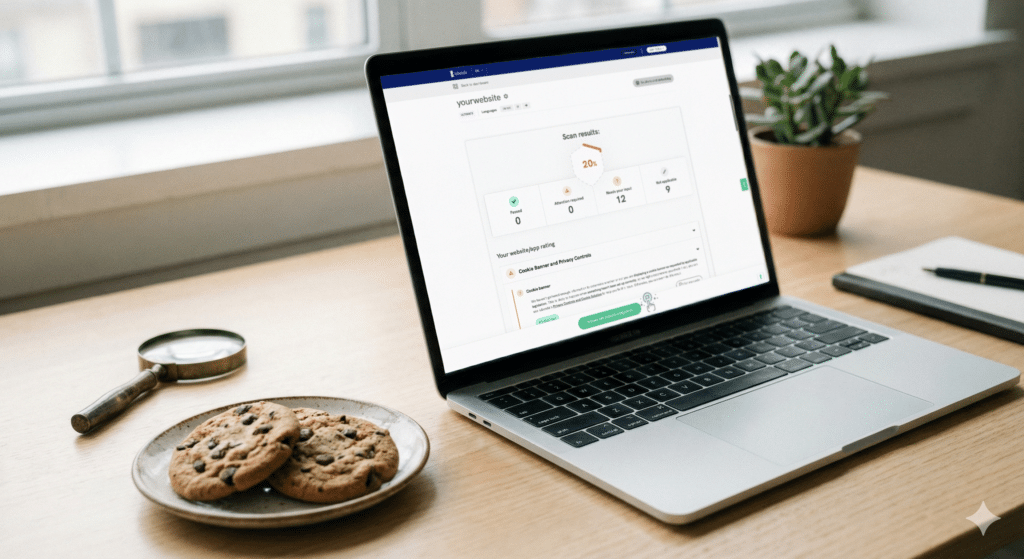
Website privacy has become an important concern for businesses, organizations, and website owners. Modern websites often use cookies to remember preferences, analyze visitor behavior, support advertising, and provide useful functionality. While cookies can improve the user experience, they can also create privacy and compliance challenges when they are not properly identified or managed.
Free cookie audit software can help website owners discover cookies, understand how they are being used, and identify potential privacy issues. By making cookie auditing easier and more accessible, these tools can support better website privacy management without requiring a large investment.
What Is a Cookie Audit?
A cookie audit is the process of examining the cookies and similar tracking technologies used by a website. The audit can reveal information such as cookie names, purposes, providers, categories, and durations.
Some cookies are essential for basic website functions, while others may be used for analytics, personalization, marketing, or advertising. Without a proper audit, website owners may not always know exactly which cookies are active on their pages.
A cookie audit provides a clearer picture of the website's tracking environment. This information can then be used to improve privacy notices, cookie policies, and consent management.
How Free Cookie Audit Software Helps
Free cookie audit software can simplify the process of scanning a website for cookies. Instead of manually checking individual pages and browser settings, website owners can use automated tools to identify cookies more efficiently.
Depending on the tool, a cookie scanner may help identify:
- First-party and third-party cookies
- Cookie names and domains
- Cookie categories
- Cookie expiration periods
- Tracking technologies
- Potentially unknown cookies
- Cookies loaded by third-party services
This information gives website administrators a better understanding of what happens when visitors access their websites.
Improving Website Privacy Management
Effective privacy management begins with knowing what data-related technologies are present on a website. Free cookie audit software can provide useful information for maintaining an accurate privacy strategy.
For example, if a website adds a new analytics platform, advertising service, or marketing plugin, that service may introduce additional cookies. A regular audit can help identify these changes.
Website owners can then review whether the new cookies are properly documented and whether their consent settings and privacy information accurately reflect their use.
Finding Unknown or Unnecessary Cookies
One of the most useful benefits of cookie auditing is discovering cookies that may have been overlooked. Websites often rely on numerous plugins, analytics systems, embedded content, and third-party services.
Over time, these integrations can introduce cookies that website administrators may not immediately recognize. An automated scan can highlight these cookies for further investigation.
Once identified, unnecessary cookies can potentially be removed by changing website configurations or disabling services that are no longer needed. Removing unnecessary tracking technologies can make website privacy management more organized.
Supporting Cookie Compliance
Privacy regulations in different regions may establish requirements concerning cookies, tracking technologies, transparency, and user consent. The exact obligations depend on factors such as the website's location, audience, services, and data-processing activities.
A cookie audit does not automatically make a website compliant. However, it can provide information that helps organizations evaluate their current cookie practices.
After completing a scan, website owners can compare the results with their privacy policy and cookie consent configuration. If a cookie appears in the scan but is missing from the relevant documentation, it may need further review.
Regular Audits Are Important
A single cookie scan may not provide a complete long-term picture. Websites change frequently as developers install new plugins, update software, add marketing tools, or introduce new services.
For this reason, regular cookie audits can be useful. Website owners can establish a schedule based on how frequently their websites change.
Regular scanning can help detect unexpected changes and keep cookie information more current. It can also encourage teams to review privacy settings whenever new technologies are added.
Choosing Free Cookie Audit Software
When selecting a free cookie audit tool, website owners should consider more than whether the software costs nothing. Useful features may include accurate scanning, understandable reports, cookie categorization, and support for multiple website pages.
Ease of use is also important. A tool should present audit results in a format that website administrators can understand and act upon.
It is also helpful to check whether the software has limitations. Some free tools may restrict the number of pages scanned or provide fewer reporting features than paid solutions.
Better Privacy Starts With Visibility
Website privacy management becomes easier when administrators have a clear understanding of the technologies operating on their websites. Free cookie audit software can provide that visibility by helping identify and organize cookie information.
By combining regular cookie scans with accurate privacy documentation, appropriate consent practices, and ongoing website reviews, businesses can create a more transparent approach to managing cookies.
Conclusion
Free cookie audit software can be a practical starting point for improving website privacy management. It helps website owners identify cookies, discover potentially overlooked tracking technologies, review cookie audit plugin usage, and maintain better awareness of changes.
While a cookie audit alone does not guarantee regulatory compliance, it can provide valuable information for developing stronger privacy practices. Regular audits, accurate documentation, and careful review of third-party services can help website owners maintain a clearer and more responsible approach to website privacy.
Author
