
- 0
- 954 words
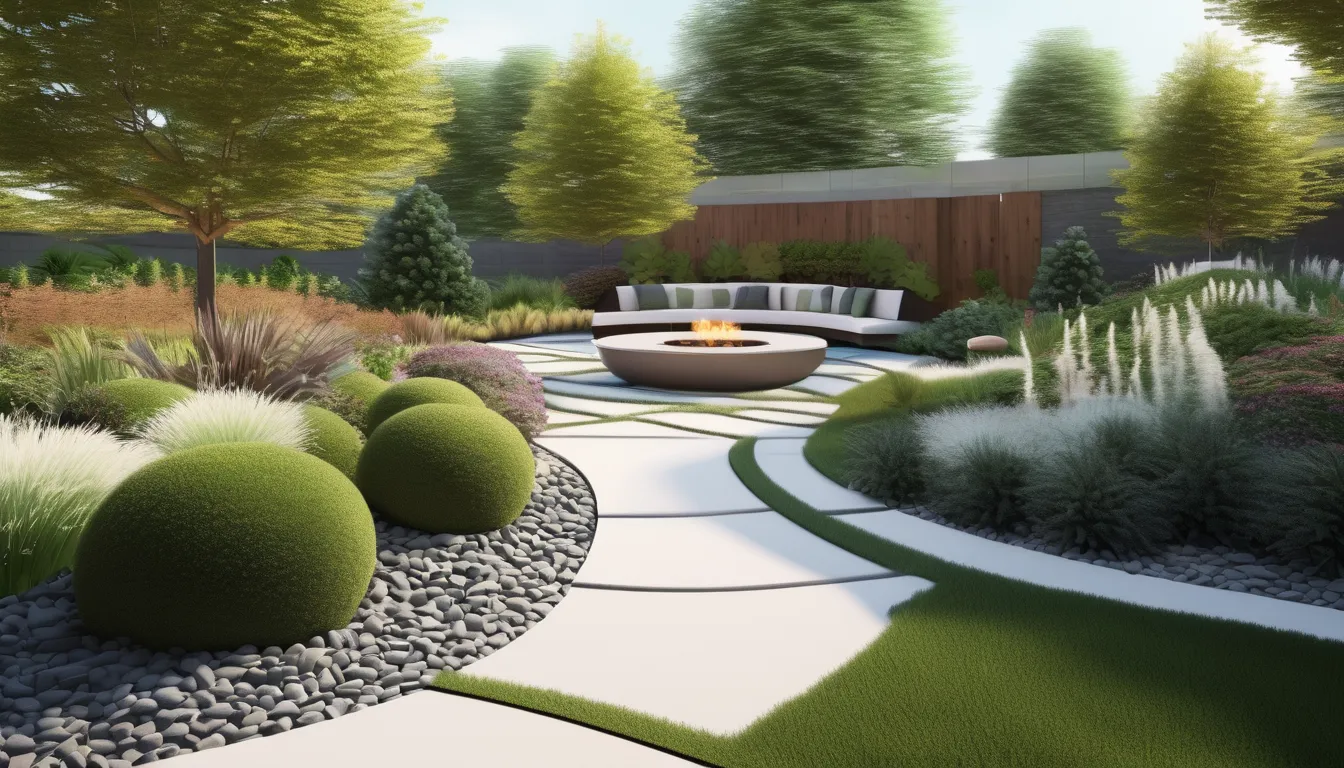
Landscape design is more than just planting flowers and trimming shrubs—it's about creating an outdoor space that reflects your personal style while enhancing the functionality and beauty of your property. Whether you're redesigning your backyard, establishing a garden, or planning a commercial landscape, thoughtful design can elevate the overall appeal of your surroundings. Here’s a comprehensive guide to help you get started with landscape design that will transform your outdoor area into a beautiful, functional space.
1. Understand Your Space
Before jumping into any design elements, it's essential to evaluate your landscape space. This involves understanding the size, shape, and features of your property. Some factors to consider include:
- Topography: The slope of the land will affect drainage, planting, and even the types of materials that can be used in the design.
- Climate: The local climate will determine the plants that thrive in your area. Consider the temperature, rainfall, and sun exposure when choosing your plants.
- Soil Type: Different plants require different soil conditions, so testing the soil will help ensure you choose the right flora.
- Sun and Shade Patterns: Observe how sunlight changes throughout the day. Some plants need full sun, while others flourish in the shade.
- Existing Features: Take stock of existing elements like trees, walkways, water features, or structures. These may be incorporated into the design, or you may need to consider their removal or replacement.
2. Create a Vision and Set Goals
The next step is to develop a vision for your space. What do you want to achieve with your landscape design? Your goals may vary depending on your needs, whether you're creating a peaceful retreat, entertaining space, or functional garden. Some common goals include:
- Aesthetic Appeal: Enhancing the overall beauty of your property with vibrant plants, flowers, and visually appealing structures.
- Functionality: Designing spaces for outdoor activities, such as outdoor dining, entertaining, or children’s play areas.
- Privacy: Incorporating hedges, trees, or fencing to create a private, secluded environment.
- Sustainability: Incorporating environmentally friendly practices, such as drought-resistant plants, rain gardens, or sustainable irrigation systems.
- Low Maintenance: Creating a landscape that requires minimal upkeep while still looking beautiful.
3. Develop a Design Plan
Once you have a vision, it’s time to start planning the layout of your landscape. Drawing a design plan helps you visualize how the various elements will come together. Key components to include in your design plan are:
- Hardscaping: This refers to the non-plant elements, such as patios, walkways, retaining walls, decks, fences, and water features. Hardscaping provides structure and functionality to the landscape.
- Softscaping: This is the plant material, including trees, shrubs, flowers, grass, and ground cover. Consider the plant’s height, color, texture, and seasonality to create a harmonious and balanced design.
- Focal Points: A well-designed landscape often has a focal point—something that draws attention and anchors the design. This could be a sculpture, fountain, tree, or architectural feature.
- Flow and Accessibility: Consider the flow of movement through the space. Pathways should be clear and functional, guiding people to different areas of the yard.
4. Incorporate Natural Elements
To create a truly harmonious outdoor space, consider incorporating natural elements into the design:
- Water Features: Ponds, fountains, or streams can add serenity and movement to your landscape while attracting wildlife.
- Lighting: Proper landscape lighting can enhance the beauty of your design while making outdoor spaces functional at night. Consider uplighting trees, illuminating pathways, and highlighting architectural features.
- Wildlife Habitats: Planting native species can attract birds, butterflies, and other wildlife, creating a more biodiverse environment.
5. Choose the Right Plants
Selecting the right plants is crucial to the success of your landscape design. Consider the following when choosing plants:
- Native Plants: Native plants are better suited to your local climate and soil conditions, requiring less water and maintenance.
- Seasonal Interest: Choose a variety of plants that bloom at different times of the year. This ensures that your landscape will look beautiful throughout all seasons.
- Height and Spread: Plan for the mature size of your plants. Taller plants can be used as background elements, while shorter plants or ground covers can fill in the front.
- Color and Texture: Play with color combinations and textures to create visual interest. Mixing different leaf shapes, colors, and sizes can add depth and beauty to your garden.
6. Focus on Sustainability
Sustainability in landscape design is becoming increasingly important, as it not only helps protect the environment but can also reduce your maintenance costs. Consider the following sustainable practices:
- Drought-Tolerant Plants: Choose plants that require less water and are well-adapted to dry conditions.
- Rainwater Harvesting: Install rain barrels or a rain garden to collect and reuse rainwater for irrigation.
- Low-Maintenance Turf: If you prefer grass in your landscape, consider using drought-resistant turf that requires less water and mowing.
7. Budget and Maintenance
Finally, make sure to set a realistic budget for your landscape project. Landscape design can range from simple DIY projects to extensive professional designs. Consider the costs of plants, materials, labor, and long-term maintenance when planning your budget.
Maintenance is another factor to consider. While some landscape designs are low-maintenance, others may require regular care to keep plants healthy and the design looking its best. Factor in the time and effort you are willing to invest in maintaining the landscape over the years.
Conclusion
Landscape design is an exciting and rewarding process that allows you to create a beautiful, functional outdoor space tailored to your needs and preferences. By understanding your space, setting goals, and incorporating thoughtful design elements, you can transform your yard into a stunning oasis. Whether you tackle the project yourself or hire a professional, the result will be an outdoor environment that enhances your quality of life and the overall appeal of your property.
Author
